





Step-by-Step Licensure + Timeline to Start Your First Contract
By Layla Olive Wohlfeiler, Clinical Manager at Epic Special Education Staffing
If you’re planning to become a California SLP, you’re likely drawn to the state’s strong demand, diverse school settings, and opportunity to make a meaningful impact. But before you can get started, there’s one important step: navigating California’s licensure process. While it can feel detailed at first, most out-of-state clinicians already have the foundation needed to qualify. With the right preparation and timeline, you can move through the process smoothly and start your California SLP journey with confidence.
Whether you’re actively planning a move or just exploring your options, this guide will walk you through exactly what it takes to get licensed and start working in California, including timelines, common delays, and how to avoid them.
Understanding the California SLP Licensing Process
All licensure for a California SLP is managed through the California Speech-Language Pathology and Audiology and Hearing Aid Dispensers Board (SLPAHADB).
If you already hold your Certificate of Clinical Competence (CCCs) through the American Speech-Language-Hearing Association (ASHA), much of your documentation will align with California’s requirements. But you must still apply for a California state license separately.
If you are licensed in another state, you will typically qualify if you have:
- A master’s degree in Speech-Language Pathology from an accredited program
- Completed supervised clinical practicum hours
- Passed the Praxis exam
- Completed a Clinical Fellowship (for full licensure – temporary licensure is available for CFY)
While these qualifications put you on the right track, it’s important to note that California does not automatically grant licensure by reciprocity. Even experienced SLPs must submit a full application for review. This means gathering documentation, verifying credentials, and ensuring every requirement is clearly met before approval.
What this means for you: If you already hold your CCCs and an active license, you’re likely closer than you think. The biggest barrier is not qualifications; it’s timing and documentation.
Real Timeline: What It Actually Looks Like
Most clinicians expect licensing to take 4 to 6 weeks. In reality, it often takes 8 to 12 weeks depending on documentation and board processing times.
A typical timeline:
- Week 1-2: Submit application + request transcripts and verifications
- Week 3-6: Documentation received and reviewed
- Week 6-10: Board processing + potential deficiency requests
- Week 8-12: License issued
Delays most often happen when transcripts or verifications are missing, not because of qualifications.
Planning Ahead for Your Move to California
For SLPs planning a move, timing is everything. The California licensure process can take longer than expected, especially if documents are delayed, or additional information is requested.
- Start the application process 3 to 4 months before your desired start date.
- Order transcripts and verifications early.
- Monitor email closely and watch for any written communication from the California licensing board, as applicants are formally notified of application status or deficiencies in writing.
Many SLPs underestimate how long this process can take, particularly when coordinating transcripts, exam verification, and prior state licensure records. Starting early not only reduces stress but also helps ensure you’re ready to begin working when your assignment or school year starts.
If you’re planning to start a school-based role in August, your application should be submitted no later than May. Waiting until summer is the #1 reason clinicians miss their preferred start date.
Tips to Speed Up the California SLP Licensure Process
Clinicians who get licensed fastest do three things differently: they stay proactive, they verify every step, and they don’t wait for updates, they create them.
- Apply early.
- Double-check every document before submission.
- Keep digital and hard copies of everything.
- Follow up with universities and prior state boards to confirm they sent documentation.
- Consider applying for a temporary license if relocating quickly.
- Send transcripts via electronic delivery when available, as this is often significantly faster than mail.
- Call prior state boards to confirm verification was sent; do not assume it was processed correctly.
- Check your application status weekly instead of relying solely on written communication from the board.
Attention to detail and follow-through are what separates a smooth licensure process from a delayed one. Missing documents or small errors can delay approval, so taking the time to review everything upfront can help you secure your California SLP license faster.
Where SLPs Get Stuck (and How to Avoid It)
Based on conversations with clinicians going through this process, the most common challenges are:
- Delays in transcript processing
- Unclear communication from state boards
- Waiting too long to start the application
The clinicians who succeed treat licensure like a project, not a task. They track documents, follow up consistently, and plan around realistic timelines.
Do You Need Your CCCs to Work as a California SLP?
Holding your CCCs through ASHA is valuable, but it does not replace state licensure. California does not require CCCs for state licensure. However:
- Many school districts and healthcare employers prefer or require CCCs.
- CCCs can simplify the verification of education and Praxis completion.
For many clinicians, having CCCs can make the transition smoother when applying for California SLP roles, especially in competitive school-based settings. It can also give employers added confidence in your clinical experience and qualifications.
If you do not yet have your CCCs, you can still pursue licensure through a Clinical Fellowship, but your job options may be more limited. This is especially important if you’re targeting competitive school districts.
What If You Plan to Work as a Virtual SLP?
Teletherapy continues to grow, but licensing requirements still apply. If you are planning to provide teletherapy services, you must be properly licensed.
In general, virtual SLPs must be licensed:
- In the state where the client or student is physically located
- In the state where you, the clinician, are physically located while providing services
California does not offer a special “telepractice-only” license. Teletherapy providers must hold the same active license as in-person SLPs. Because teletherapy regulations vary state by state, it’s critical to confirm requirements in both locations before accepting a virtual position.
Pro Tip: If you are considering relocation but want to begin working virtually before your move, speak with a recruiter early. Strategic planning around licensure timing can prevent delays in your start date and ensure compliance in both states.
How Epic Special Education Staffing Supports SLPs
Navigating licensure while planning a move or new role can feel overwhelming. But you don’t have to do it alone. At Epic Special Education Staffing, we specialize exclusively in supporting school-based clinicians, including those pursuing a California SLP license.
Our team provides personalized, high-touch support throughout your journey, from helping you understand licensing requirements to guiding you through timelines and documentation. With dedicated Relationship Managers, Clinical Manager support, ongoing mentorship, and a deep understanding of school-based environments, we’re here to ensure you feel confident every step of the way.
We believe that when special education professionals are supported, they can do their best work. That’s why we focus on flexibility, professional growth, and meaningful career opportunities that align with your goals.
Take the Next Step in Your SLP Career in California
The path to becoming a California SLP starts with preparation and ends with opportunity. While the licensing process requires attention to detail, most out-of-state clinicians are already well-equipped to meet the requirements. By starting early and staying organized, you can set yourself up for success from day one. When you have the right guidance and support, your transition into a California SLP role becomes that much easier.
Ready to make your move to California? Partner with Epic Special Education Staffing to navigate the SLP licensure process and step into a fulfilling school-based career with expert guidance every step of the way.
About the Author
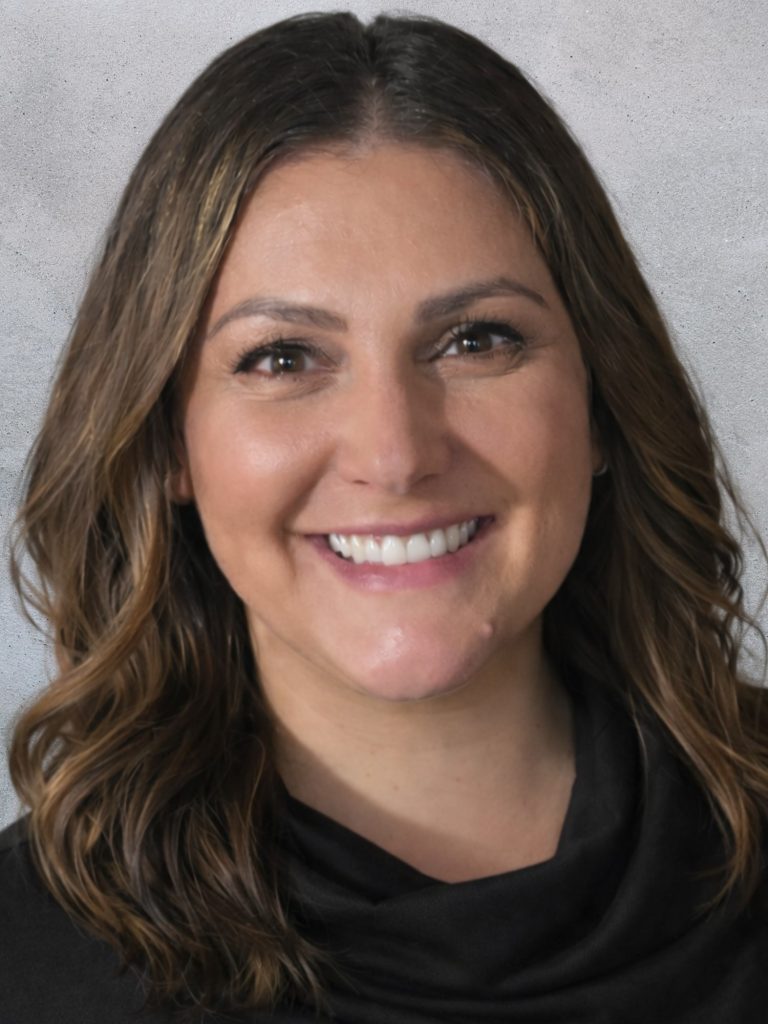
Layla Olive Wohlfeiler, M.S., CCC-SLP, is a Clinical Manager with Epic Special Education Staffing. With over 15 years of experience as a Speech-Language Pathologist working in a variety of school, pediatric, and tele-therapy roles, Layla uses her knowledge and extensive background in Special Education and Virtual therapy to support our clinicians.
Layla received her bachelor’s degree in Speech and Hearing Sciences from Ohio State University and a master’s degree in Communication Disorders from Marshall University. Her academic background, combined with her practical experiences, has equipped her with the skills and expertise to effectively support and mentor clinicians in their professional journeys. She loves to collaborate and brainstorm with clinicians to ensure their success in various placements, providing them with the tools and support they need to thrive. Layla lives in Columbus, Ohio with her growing family. They enjoy traveling, attending concerts, and passionately supporting “THE” Ohio State Buckeyes.