




By Layla Wohlfeiler, Clinical Services Manager at Epic Special Education Staffing
May is National Speech-Language-Hearing Month. It’s an opportunity to recognize the many ways students communicate and the importance of creating school environments where every learner is heard, understood, and supported.
Communication goes far beyond spoken language. It includes gestures, visuals, augmentative and alternative communication (AAC), facial expressions, sign language, and other forms of expression that help students connect with the world around them. Every learner communicates differently, and every communication attempt deserves recognition and support.
What Counts as Communication?
Communication is multimodal, not just verbal. Any attempt at expression counts as communication, including:
- Speech
- AAC
- Gestures
- Sign language
- Facial expressions
- Visual supports and symbols
- And more
Research shows that communication begins long before spoken language develops. Early gestures, eye contact, and joint attention all play an important role in communication development.
For many students, communication may look different from traditional expectations. Recognizing and honoring those differences allows educators, therapists, and school teams to better support participation, learning, and connection in the classroom.
Why Validating All Communication Matters
When adults acknowledge and respond to all forms of communication, students are more likely to continue initiating interactions and participating in learning opportunities.
Research on “serve and return” interactions from the Harvard Center on the Developing Child highlights how responsive communication supports healthy brain development. Communication is also recognized by the National Joint Committee for the Communication Needs of Persons with Severe Disabilities as a fundamental human right.
In school settings, validating communication can directly influence engagement, classroom participation, emotional regulation, and relationship-building. Lack of response to nonverbal communication attempts may reduce student engagement over time, especially for learners who already experience communication barriers.
For districts and school teams navigating staffing shortages and increasing student needs, creating consistent communication support across classrooms can be difficult without experienced, collaborative clinicians in place. Speech-language pathologists, school psychologists, special educators, occupational therapists, and paraprofessionals all play an important role in helping students communicate successfully throughout the school day.
Strategies That Support Communication in Schools
Honor All Forms of Communication
All communication attempts should be acknowledged and supported.
Research from the National Joint Committee for the Communication Needs of Persons with Severe Disabilities shows that recognizing nonverbal communication increases engagement and interaction.
Strategies include:
- Responding to a student’s intent, not just clarity
- Modeling patience and active listening during communication attempts
- Expanding on what the learner communicates
- Avoiding expectations that students must use speech to be understood
- Supporting communication attempts consistently across classrooms and school activities
In practice, this may look like school teams incorporating visual supports throughout the classroom, responding consistently to gestures or AAC use, and helping peers understand and respond to different communication styles. These supports help students participate more fully in academic and social environments.
Pause and Allow Wait Time
Students often need additional processing time before responding.
Research by Mary Budd Rowe found that increased wait time leads to longer and more complex responses.
Helpful strategies include:
- Waiting 5 to 10 seconds before repeating a question
- Using visual timers or visual cues
- Maintaining open and expectant body language
- Reducing pressure to respond immediately
In school environments, this means creating structured classroom routines where students are given the time and space to process information before responding. Many school teams want to implement these strategies consistently, but doing so often requires collaboration, training, and clinician support across the educational setting.
Model Language Consistently
Language modeling gives students a clear example of how communication works in everyday interactions.
According to the American Speech-Language-Hearing Association, language modeling supports vocabulary growth and language development.
Strategies include:
- Modeling language without requiring imitation
- Expanding student utterances naturally
- Modeling AAC alongside spoken language
- Embedding communication opportunities into daily routines
Build Reciprocity Through Back-and-Forth Interaction
Communication develops through responsive interaction.
Research from the Harvard Center on the Developing Child shows that back-and-forth exchanges strengthen neural pathways connected to language and learning.
Strategies include:
- Following the learner’s lead
- Taking turns verbally or nonverbally
- Prioritizing interaction over correction
- Building communication into play, routines, and classroom participation
For students with complex communication needs, these interactions help strengthen trust, participation, and social connection within the school environment.
Supporting Different Forms of Communication
Multilingualism Supports Development
Research shows that multilingualism supports cognitive flexibility and executive functioning.
Students benefit when schools and clinicians:
- Encourage continued home language use
- Validate all languages equally
- Incorporate multilingual supports when possible
- Recognize that strong home language development supports overall communication development
For multilingual learners receiving special education services, culturally responsive communication support helps students and families feel understood and included within the school community.
AAC Supports Language Development
AAC enhances communication and may also support speech development.
The American Speech-Language-Hearing Association notes that AAC use is associated with increased overall communication.
Best practices include:
- Modeling AAC consistently
- Keeping communication systems accessible throughout the day
- Pairing AAC with verbal input
- Training classroom teams to support AAC use consistently
Successful AAC implementation in schools requires alignment between clinicians, educators, administrators, and families. Ongoing support and collaboration help students use communication tools confidently across environments.
Supporting Communication Requires a Collaborative Approach
Supporting all forms of communication requires more than awareness. It requires trained clinicians, aligned teams, and ongoing support systems that help students communicate successfully throughout the school day.
At Epic Special Education Staffing, we partner with schools to support communication outcomes through a student-first, behaviorally informed approach. We understand the realities school teams face and work closely with clinicians and districts to help create supportive learning environments where students can participate, connect, and grow.
We also believe clinicians deserve the same level of support they provide to students. Speech-language pathologists, school psychologists, special educators, and related service professionals are essential to helping schools build stronger communication systems for students with diverse needs.
Building Student-Centered Communication Support in Special Education
Every learner communicates. Every communication attempt matters.
When schools create environments that validate and support all forms of communication, students are better positioned to build relationships, participate in learning, and develop core life skills that extend far beyond the classroom.
Communication support influences socially significant outcomes tied to lifelong relationships, independence, self-advocacy, and educational success. With collaborative school teams and the right clinical support, students can access more opportunities to communicate in ways that work best for them.
Looking for a role where your approach to communication is supported and valued? Explore opportunities with Epic Special Education Staffing. Get in touch with us today to learn more!
Looking to strengthen communication support across your special education program? Connect with our team to learn how Epic Special Education Staffing can help support your students, clinicians, and school community.
About the Author
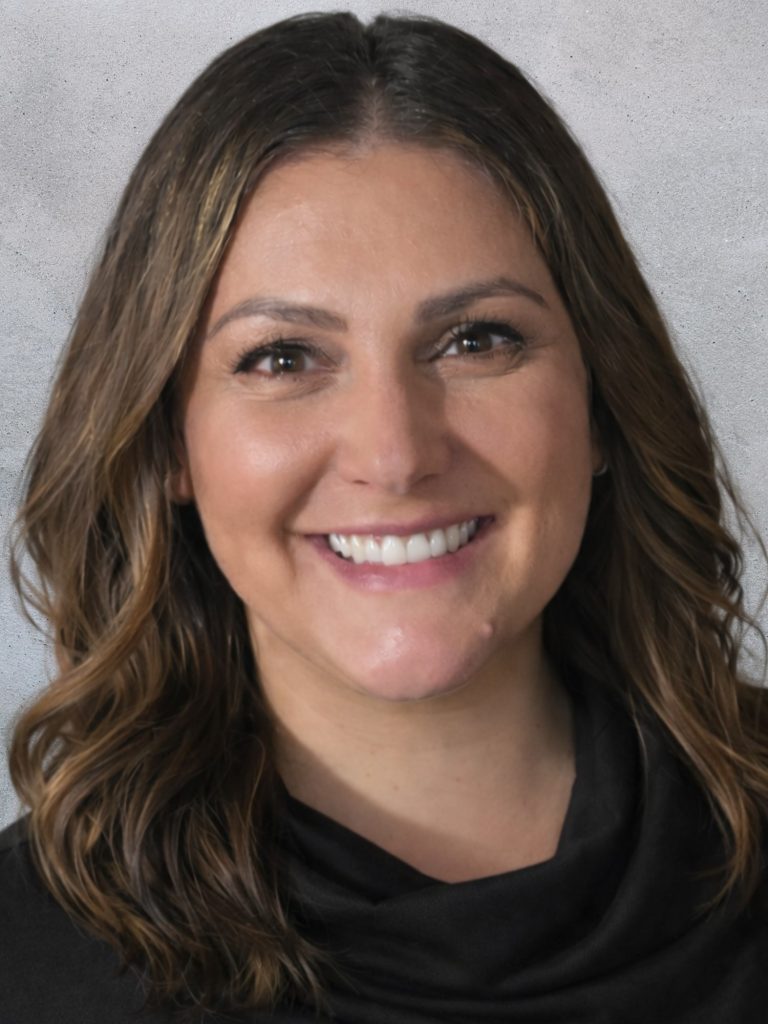
Layla Olive Wohlfeiler, M.S., CCC-SLP, is a Clinical Manager with Epic Special Education Staffing. With over 15 years of experience as a Speech-Language Pathologist working in a variety of school, pediatric, and tele-therapy roles, Layla uses her knowledge and extensive background in special education and virtual therapy to support our clinicians.
Layla received her bachelor’s degree in Speech and Hearing Sciences from The Ohio State University and a master’s degree in Communication Disorders from Marshall University. Her academic background and practical experiences have equipped her with the skills and expertise to effectively support and mentor clinicians in their professional journeys. She loves to collaborate and brainstorm with clinicians to ensure their success in various placements, providing them with the tools and support they need to thrive. Layla lives in Columbus, Ohio, with her growing family. They enjoy traveling, attending concerts, and passionately supporting “THE” Ohio State Buckeyes.